
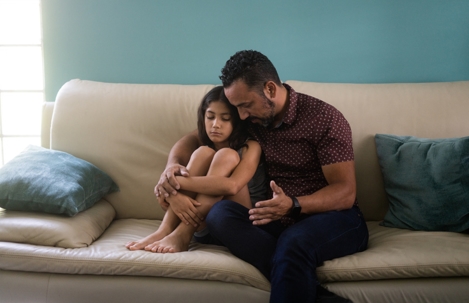
Divorce is never easy, and when children are involved, the process becomes even more delicate. Parents often worry about how to discuss the changes that come with divorce in a way that preserves their child’s sense of stability, safety, and love. While there’s no single right way to have these conversations, thoughtful planning and a calm approach can make a meaningful difference.
If guidance is needed during this transition, contact NedaLawyer through our online contact form or call (951) 977-4904 for personalized support.
Why Talking to Children About Divorce Matters
Children often sense when something is wrong long before they’re told directly. When parents avoid discussing divorce, it can lead to confusion, anxiety, and even misplaced guilt. Open and honest communication helps children process the changes in their family while reinforcing that both parents still care deeply for them.
Children benefit most when both parents present a united, calm front. Even if disagreements exist, showing cooperation provides a sense of reassurance that the family unit, though changing, remains built on love and respect.
Choose the Right Time and Setting
Timing is essential when discussing divorce with children. Choose a calm moment when there are no distractions or pressing time limits. Avoid delivering the news during holidays, birthdays, or before major events, as it can associate negative emotions with otherwise positive experiences.
A familiar environment, such as the family home, helps children feel more secure during the conversation. Both parents should ideally be present to emphasize that the decision was made together and that the children are not to blame.
Keep the Message Simple and Honest
Children don’t need all the legal or emotional details surrounding the divorce. Instead, focus on what matters most to them — how it will affect their day-to-day life. Keep the explanation age-appropriate, clear, and free from blame.
Before talking with children, parents can agree on key messages to share. These messages should stay consistent across conversations to prevent confusion.
Key points to communicate include:
- Both parents will continue to love and care for them.
- The divorce is not their fault.
- While some things will change, others, such as parental support, will remain the same.
- The family will still spend meaningful time together, even if living arrangements differ.
These assurances can help children maintain a sense of emotional balance as they adapt to new routines.
Encourage Questions and Listen Without Judgment
Children often process divorce over time, meaning they may not ask questions right away. Creating an open-door environment where they feel comfortable expressing feelings or confusion can help prevent misunderstandings.
Be prepared for a range of emotions — sadness, anger, or even relief. Acknowledge these emotions without judgment or defensiveness. Listening carefully and responding honestly builds trust and strengthens the parent-child bond during a challenging period.
If children express worries about living arrangements or relationships, remind them that both parents are working together to ensure their well-being. Keeping discussions calm and respectful teaches children that conflict can be managed constructively.
Maintain Routine and Stability
One of the most effective ways to help children cope with divorce is by maintaining stability. Familiar routines such as school schedules, bedtime rituals, and extracurricular activities provide comfort and predictability when other aspects of life are changing.
Consider these strategies to promote consistency:
- Keep school and activity schedules as normal as possible.
- Coordinate with the other parent to maintain shared expectations.
- Communicate regularly with teachers or caregivers to monitor emotional changes.
- Encourage healthy outlets for expression, such as drawing, writing, or sports.
A steady routine reassures children that life will continue moving forward and that both parents remain dependable sources of support.
Avoid Negative Talk About the Other Parent
Even when tensions run high, children should never be placed in the middle of parental conflict. Speaking negatively about the other parent can create confusion, guilt, or divided loyalty. Instead, focus on maintaining neutrality and supporting your child’s relationship with both parents.
Children benefit from knowing that they don’t have to “choose sides.” When parents communicate respectfully, it reinforces a sense of safety and teaches valuable lessons about handling disagreements with maturity.
Consider Professional Support
Sometimes, children may struggle to express feelings related to divorce. Family counseling or child therapy can offer a safe space for them to share emotions and learn coping strategies. Professional support can also help parents learn communication techniques tailored to their child’s developmental needs.
Similarly, working with a Temecula divorce attorney who understands the emotional dynamics of family separation can provide peace of mind. Legal guidance helps ensure parenting plans and custody agreements support both the children’s stability and the parents’ long-term goals.
Prioritize Cooperation and Communication
Even after the initial conversation, ongoing communication is key. Keeping children informed about upcoming changes, such as moving or new visitation schedules, helps prevent surprises. Parents can model respectful communication by sharing updates calmly and constructively.
When both parents are willing to collaborate, children are more likely to feel supported and less anxious about the future. Divorce marks a change, not an end — and maintaining teamwork can help children thrive in the new family structure.
Supporting Healthy Conversations with NedaLawyer
Navigating divorce requires both emotional sensitivity and practical planning, especially when children are involved. A thoughtful approach to communication can ease transitions and strengthen family bonds even during challenging times.
For those seeking guidance from a Temecula divorce attorney who can assist in handling family law matters with care and professionalism, reach out to NedaLawyer. Visit our online contact form or call (951) 977-4904 to schedule a consultation and begin planning for a balanced and informed approach to the next chapter of your family’s life.